

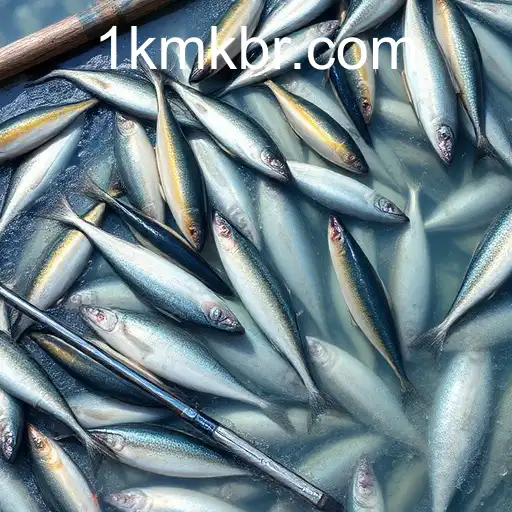
The Intricacies of Pesca: A Timeless Tradition and Modern Innovation
Pesca, or fishing, is a practice as ancient as human civilization itself. Its evolution from a rudimentary survival skill to a recreational activity underscores its integral role in human culture and livelihood. As the industry grows, new terminologies and methods come into play, with "1kmk" emerging as a significant term in contemporary pesca discussions.
The Cultural and Economic Role of Pesca
166brFishing is deeply entrenched in the cultures of many global societies, offering both sustenance and economic opportunities. In coastal communities, pesca supports not only the economy but also cultural identity, influencing traditions and daily life. Economically, fishing industries provide jobs, contribute to trade, and support millions of people worldwide.
Understanding the 1kmk Phenomenon
The term "1kmk" is becoming a buzzword in pesca circles, though its roots are not immediately apparent. At its core, 1kmk refers to a modern approach to fishing which focuses on sustainable methods and technological integration. This approach integrates traditional techniques with contemporary science to optimize yield while minimizing environmental impact.
Technology's Role in Pesca
With the introduction of 1kmk techniques, technology plays a crucial role. GPS systems, sonar devices, and data analytics are employed to improve accuracy in locating fish populations and understanding aquatic systems. Technology aids in avoiding overfishing, thereby promoting sustainable pesca practices.
222T.comEcological Impacts of Pesca
The effects of pesca on ecosystems are profound. Overfishing, habitat destruction, and bycatch are significant concerns that threaten marine biodiversity. By advocating for sustainable practices like those encompassed in 1kmk, the goal is to reduce these ecological impacts while maintaining the economic viability of the fishing industry.
Sustainability in Practice
1kmk is rooted in sustainability. It encourages responsible fishing practices such as catch-and-release policies, size limits, and protected marine areas. These tactics aim to conserve fish populations and marine habitats for future generations.
POPSURPesca as a Recreational Activity
Recreational fishing, another vital component of pesca, introduces millions to the joys of connecting with nature. Here, the principles of 1kmk suggest ethical fishing practices even for hobbyists, promoting awareness and respect for the aquatic environment.betze
Challenges and Opportunities
Despite technological advancements and increased awareness, pesca faces several challenges. Climate change impacts fish populations and water conditions, complicating conservation efforts. On the other hand, these challenges provide opportunities for innovation within the 1kmk framework, encouraging the development of resilient fishing methods and technologies.
The Future of Pesca
1kmkLooking ahead, the future of pesca lies in balancing human needs with ecological integrity. By promoting initiatives like 1kmk, the pesca industry can strive for a sustainable future, ensuring that this ancient practice can continue to thrive alongside nature. Embracing technology and innovation, while respecting traditional knowledge, will be fundamental in this endeavor.